Packer bottles are wide-mouth containers designed to make filling, storing, and dispensing products easier. Unlike narrow-neck bottles used mainly for liquids, packer bottles feature a wider opening that allows products to be filled or removed more conveniently.
They are commonly used for solid, powdered, and semi-solid products. Depending on the material and specifications, similar wide-mouth packaging formats can also serve food and condiment applications.
For food brands and packaging buyers, understanding the differences between container materials, shapes, and closures is important when selecting the right packaging solution.
1. What Is a Packer Bottle?
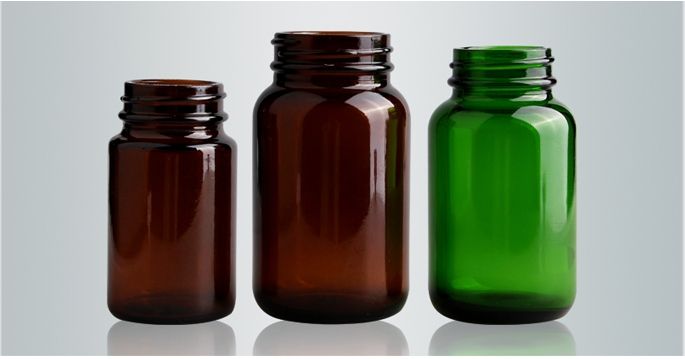
A packer bottle is typically a cylindrical container with a wide opening and a relatively straight body. Its design makes it suitable for products that require easy filling or dispensing.
The wide-mouth structure can be useful for:
- Powdered food ingredients
- Seasonings and spices
- Dry food products
- Selected sauces and condiments
- Products requiring spoon or scoop access
Packer bottles are sometimes called packer jars because their wide openings resemble those of jars. However, packer bottles generally have a taller, more bottle-like shape.
2. Common Materials for Wide-Mouth Packaging
The right material depends on the product, packaging requirements, and brand positioning.
Glass Containers
Glass bottles and jars are widely used for food packaging, including honey, jam, sauces, spices, and preserved foods.
Key advantages include:
- Transparent options for product visibility
- Compatibility with various food packaging applications
- Different shapes, capacities, and colors
- Custom labels and decoration options
Glass packaging is often selected by brands seeking a premium appearance or a container suitable for product reuse.
PET Plastic Containers
PET packaging is lightweight and commonly used for beverage bottles, food containers, and other suitable applications.
For PET packaging, buyers should confirm the intended use, container dimensions, material specifications, and compatibility with the filling process.
HDPE Plastic Containers
HDPE is another plastic material used for packaging applications requiring a durable container. Its suitability depends on the product contents, required performance, and applicable food-contact requirements.
Important: Not every plastic or glass container is suitable for every food product. Buyers should verify the intended application and supporting documentation before purchasing.
3. What Are Wide-Mouth Containers Used For?
Wide-mouth packaging can be useful across several food-related applications.
Spices and Seasonings
A wide opening can make it easier to fill containers with powders, granules, and dry seasonings. Depending on the product, buyers may consider compatible screw caps, shaker closures, or other dispensing options.
Honey, Jam, and Preserved Foods
Glass jars are commonly used for honey, jams, jellies, sauces, and other preserved foods. Different jar shapes and capacities allow brands to create packaging for retail products, gift collections, and wholesale distribution.
The closure must be compatible with the jar finish and the product's filling and preservation process.
Dry Food Ingredients
Wide-mouth containers may also be considered for selected dry ingredients that require convenient access, such as powders or granular food products.
For these applications, buyers should evaluate moisture protection, closure performance, container capacity, and the intended storage conditions.

4. How to Choose the Right Wide-Mouth Packaging
When sourcing packaging for a food product, consider the following factors.
Product characteristics: Is the product liquid, powdered, granular, or semi-solid? Its texture and storage conditions influence the container choice.
Material: Compare glass, PET, and HDPE according to product compatibility, handling requirements, and brand positioning.
Capacity and dimensions: Select a container that meets the required filling volume and provides convenient access to the product.
Closure compatibility: Confirm the container finish and matching closure. The complete packaging system should meet the intended sealing and dispensing requirements.
Customization: Labels, printing, colors, and container shapes can help create a consistent brand presentation.
Food-contact requirements: Verify relevant material documentation and applicable requirements for the destination market.
Conclusion
Packer bottles and other wide-mouth containers offer practical packaging options for products that require convenient filling and dispensing. Their suitability depends on the product, material, container dimensions, and closure system.
For food brands, selecting the right packaging means balancing functionality, product protection, presentation, and purchasing requirements.
Rocsun Eco provides food packaging solutions across glass bottles and jars, PET preforms, plastic bottles, aluminum cans, and closures. Contact our team to discuss your packaging specifications and explore suitable custom and wholesale food packaging solutions.