When launching new sauces, beverages, honey, jam or skincare lines, brand owners always face a core decision: glass packaging or plastic packaging? Both materials carry distinct advantages, drawbacks and cost logic that directly affect product shelf life, logistics cost, shelf image and consumer recognition.
As a one-stop packaging manufacturer with three integrated factories, HK Rocsun supplies full glass and plastic container lines for global food brands. This guide breaks down all key comparison dimensions, helping you pick the optimal packaging matching your product positioning and budget.
Quick Core Comparison Table
| Comparison Item | Plastic Packaging (PET/HDPE/PP) | Glass Packaging |
|---|---|---|
| Weight | 3–5 times lighter, cut freight cost greatly | Heavy, higher long-distance shipping expense |
| Shock Resistance | Shatterproof, withstand rough transport & stacking | Fragile, requires buffer packaging to avoid breakage |
| Barrier Performance | Differ by resin type, moderate oxygen & moisture block | Inherently airtight, top-tier protection for acidic & sensitive food |
| Overall Cost | Lower raw material + transportation expense | Higher material and logistics total cost |
| Recyclability | Recyclable by local sorting standards, limited reuse cycles | Infinitely recyclable without quality loss, reusable for home storage |
Plastic takes the lead on lightweight, durability and cost control; glass dominates premium positioning, food safety and long-term fresh-keeping performance.
1 Technical Performance Breakdown
Barrier & Chemical Compatibility
Glass features fully inert chemical properties, with zero reaction to acidic sauces, fermented condiments, fruit vinegar and essential oils. It locks out oxygen and moisture perfectly to extend shelf life, ideal for high-end handmade seasoning and premium drinks.
Plastic barrier capacity varies by material:
- HDPE: Good moisture resistance, suitable for dry powder & thick sauces
- PET: High transparency to display product texture, moderate barrier
- PP: Strong chemical resistance for oily food
Special multi-layer plastic can upgrade barrier performance for brands with cost limits.
Shock & Transport Safety
Plastic containers bounce back after impact, no broken fragments during e-commerce delivery, warehouse stacking or retail circulation. It eliminates product waste, safety hazards and customer complaints caused by shattered packaging.
Glass is fragile by nature. Brands using glass need extra foam padding, stricter pallet stacking limits and higher cargo insurance, bringing hidden logistics losses.
Heat & High-Temperature Tolerance
Glass bears high hot-filling temperature without deformation or substance precipitation, supporting direct hot pouring of freshly cooked sauces.
Most plastic materials have strict temperature limits; overheating may cause swelling, cracking or trace chemical migration, unsuitable for ultra-hot filling processes.
2 Full Cost Analysis (Visible & Hidden Expense)
Direct Shipping Expense
A full pallet of glass bottles weighs 3–4x more than the same quantity of PET plastic containers. For cross-border and long-distance domestic delivery, the weight gap pushes freight bills up significantly. Plastic effectively cuts overall supply chain expenditure for mass-produced daily condiments.
Storage & After-Sales Hidden Cost
Glass requires separate protective storage space and low stacking height, occupying more warehouse area. Broken glass during transit leads to wasted products, cleaning labor and customer return compensation. Plastic can be stacked tightly with no extra protection, zero breakage loss.
3 Brand Image & Consumer Perception
Premium VS Mass Market Positioning
Crystal clear, weighty glass conveys luxury and artisanal quality on supermarket shelves. Gourmet hot sauce, boutique jam, craft wine and cold-pressed olive oil mostly adopt glass to raise product premium value and selling price.
Plastic stands for practicality and affordability, perfectly matching takeaway dressings, family bulk seasoning, large-capacity catering supplies and fast-moving daily beverages.
Eco Marketing Value
Many eco-conscious consumers regard glass as greener packaging, as it can be recycled infinitely and reused as home storage jars after consumption, easy to build sustainable brand stories.
PCR recycled PET plastic is also a mature eco solution for brands focusing on lightweight low-carbon distribution.
4 Standard Decision Framework From HK Rocsun
Follow 4 steps to confirm your packaging material:
- Analyze product traits: Acidic, oil-rich, oxygen-sensitive goods prioritize glass; ordinary low-sensitivity liquid food can choose plastic.
- Calculate full supply chain cost: Evaluate raw price + shipping + breakage loss + warehousing fees comprehensively.
- Match brand positioning: High-end gourmet lines pick glass; mass retail & catering bulk orders go for plastic.
- Conduct small batch trial:HK Rocsun supports low-MOQ sample testing to verify actual shelf performance and customer feedback.
Full Packaging Line Support From HK Rocsun
We independently develop and produce both glass and plastic series with complete matching lids, pumps and seals:
Glass Series
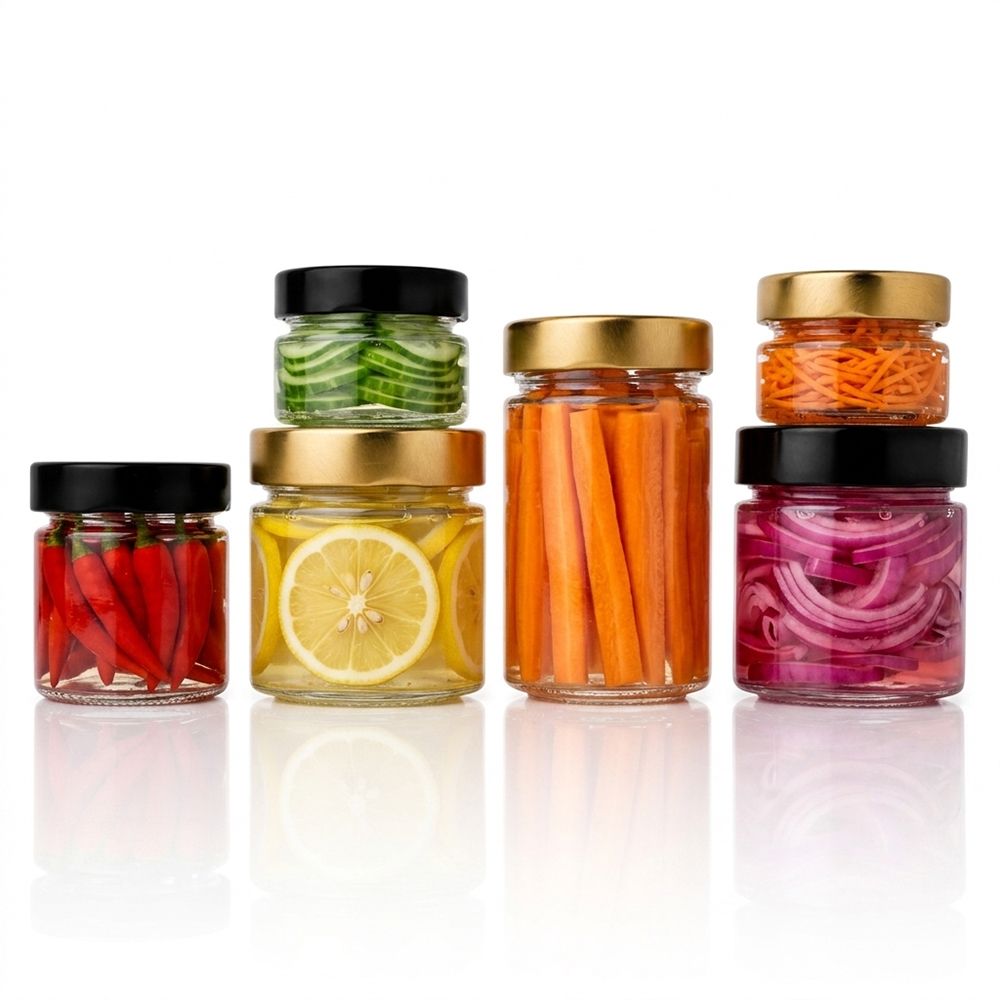
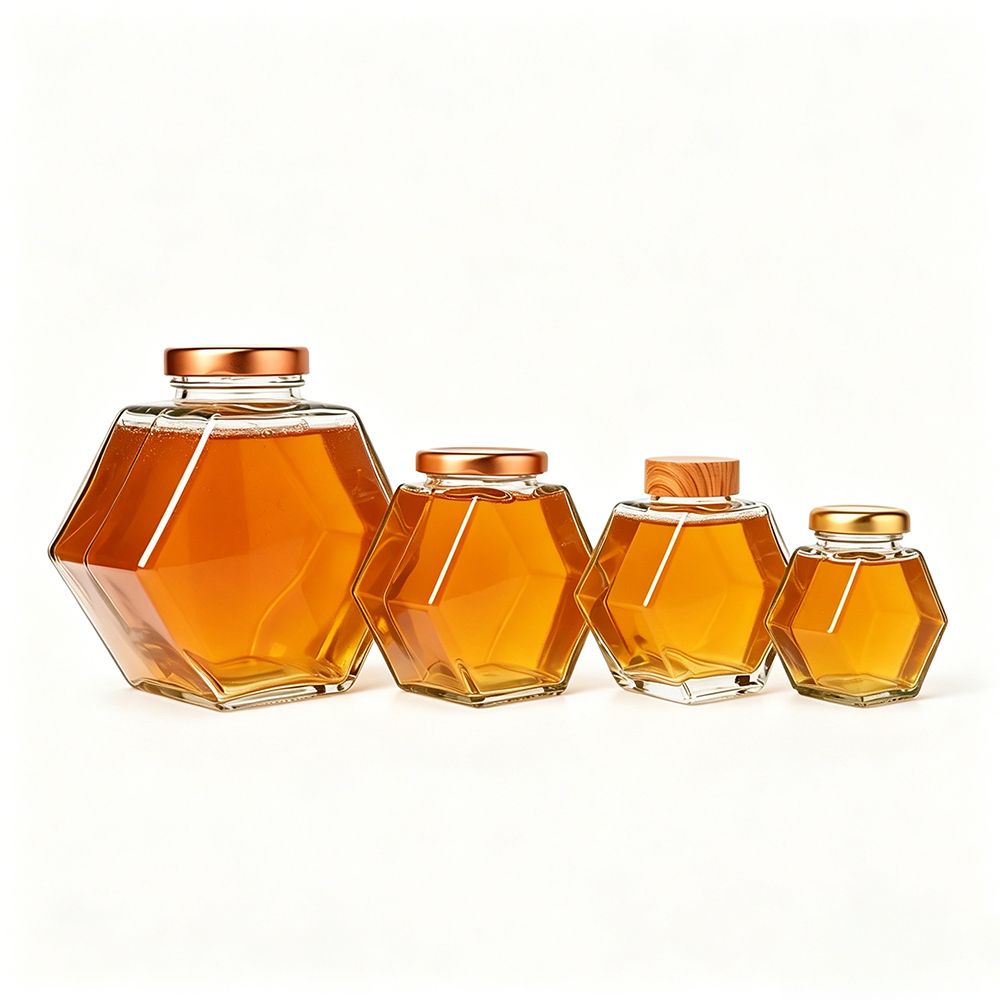
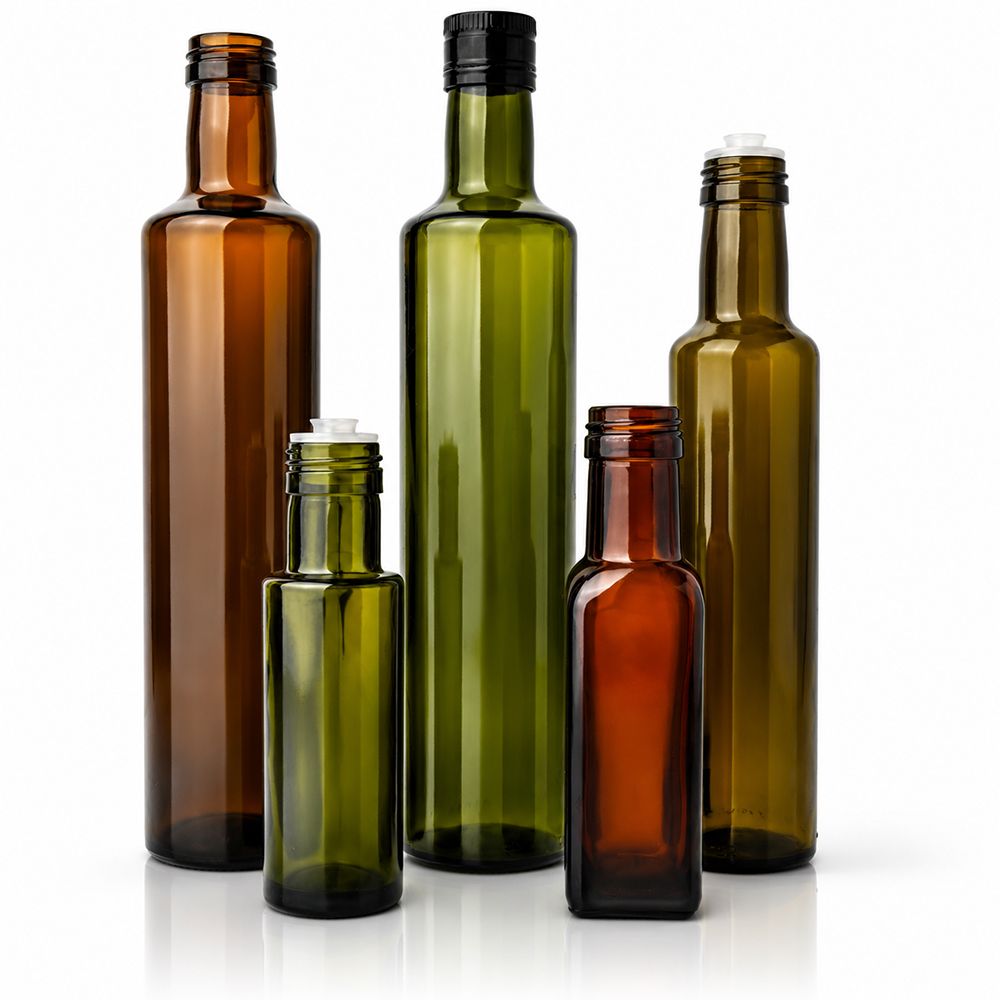
Sauce jars, olive oil bottles, jam honey pots, beverage glass bottles, available in transparent, amber, green with metal twist caps, wooden lids and swing closures. Perfect for artisanal condiment brands.
 |  |  |
|---|
Food-Grade Plastic Series
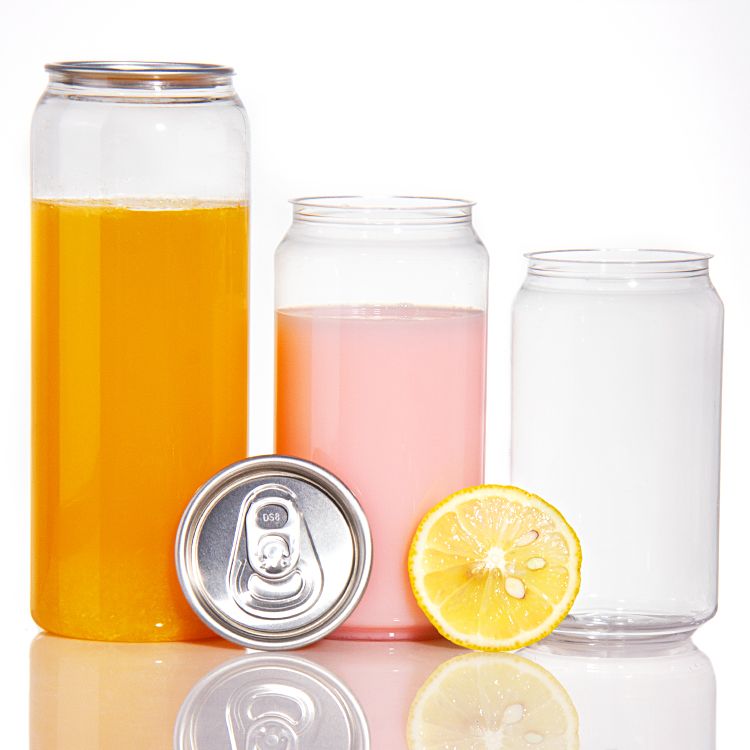
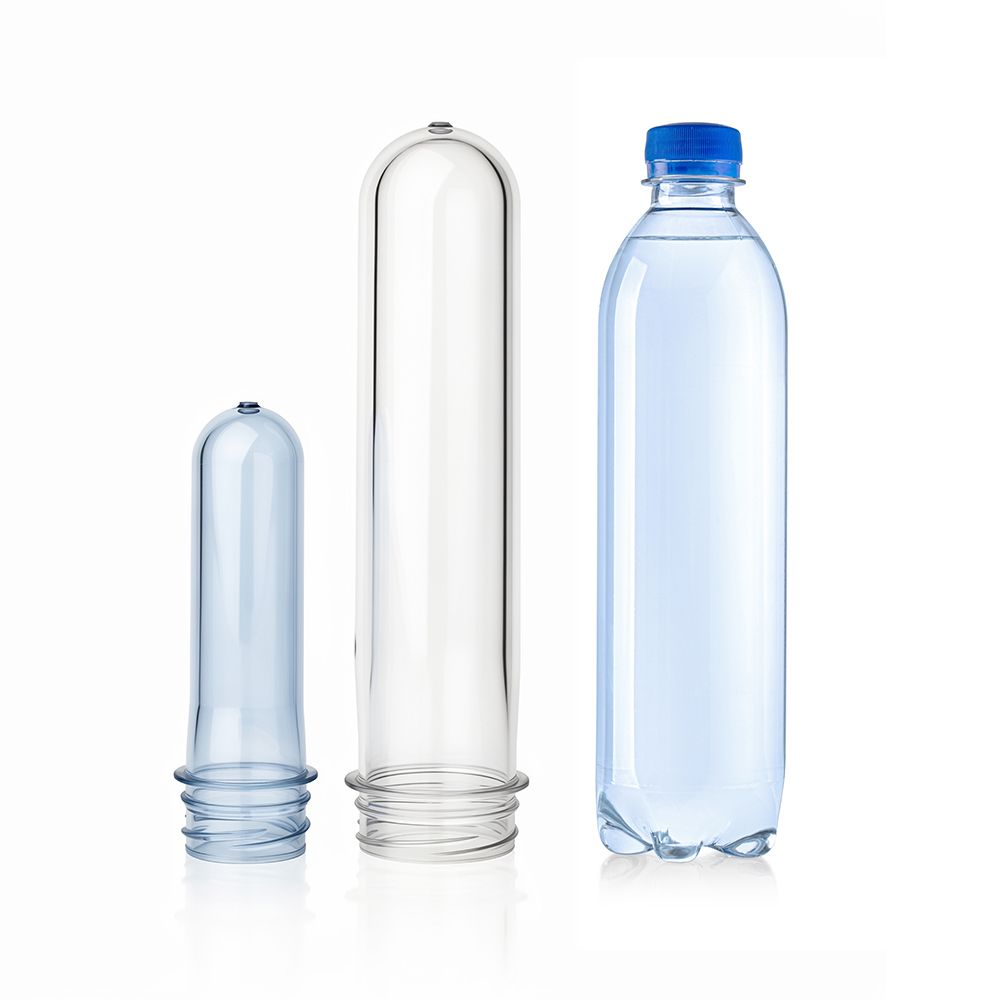
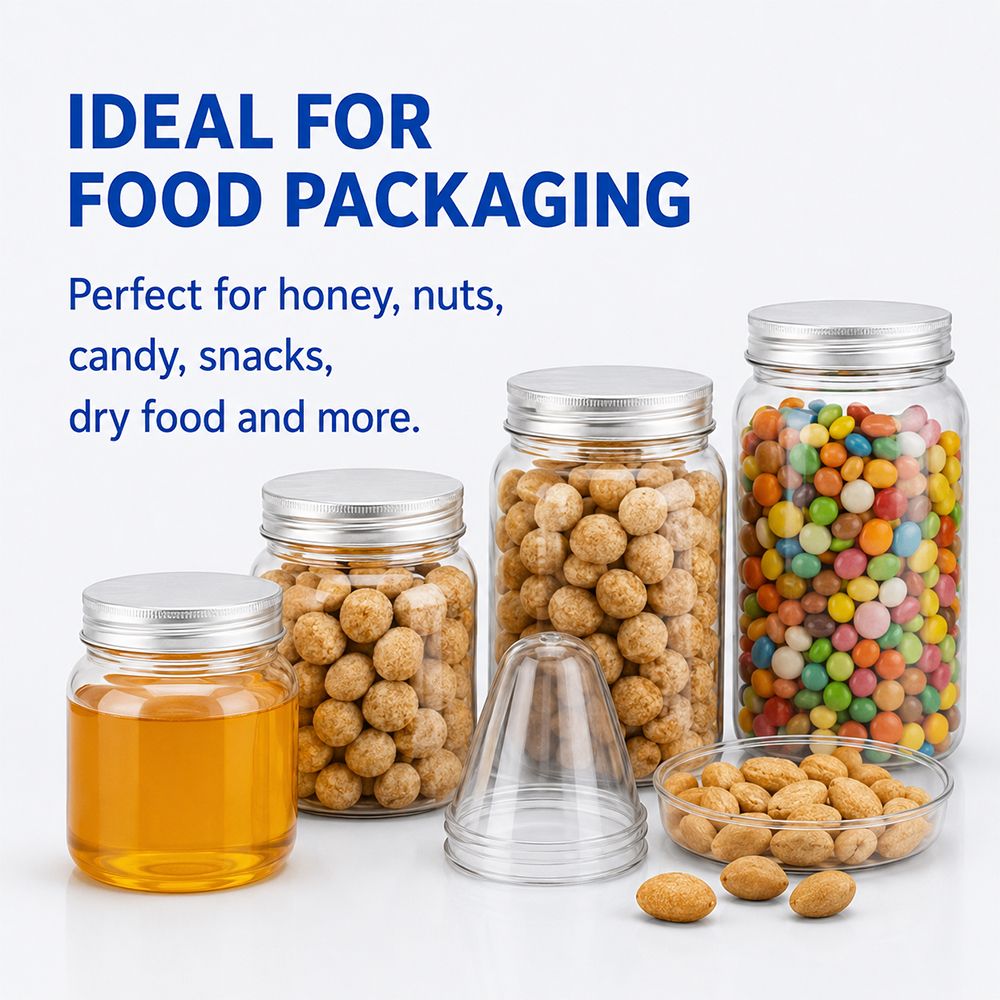
PET squeeze sauce bottles, HDPE bulk catering jugs, mini trial plastic pots, supporting tamper-evident flip caps and spray pumps. Lightweight and cost-saving for mass market sales.
 |  |  |
|---|
All containers pass global food contact safety testing, with customizable silk printing, frosting and color matching. Our professional design team provides free packaging scheme consultation.
There is no absolute "better" between glass and plastic packaging—only the more suitable choice for your product and brand. HK Rocsun owns complete glass, plastic, cap and preform production lines, able to customize targeted packaging solutions for sauce, beverage, honey and catering brands worldwide.
If you need technical consultation, free samples and customized quotation for glass or food-grade plastic containers, contact us now!