Most aluminum can suppliers will tell you they can form a can body, control the inner coating, and hold consistent production. The harder question is which parts of that claim you can actually observe, test, or trace to a batch record. This article is written for the buyer who is past the brochure stage and needs to decide whether the evidence in front of them describes the same purchase they are about to make.
The short answer: capability claims only become useful when they are tied to a record, a physical sample, or a process step you can stand in front of on the line. Everything else stays verbal until proven otherwise.
Why a Claim Needs a Record Behind It
Aluminum cans are food-contact, pressure-bearing packaging made on high-speed lines. A supplier can describe the process accurately and still fail to show that the production batch follows the approved route. That gap is where procurement risk lives.
The comparison is not which supplier uses stronger adjectives. It is which supplier can produce a trail from incoming material inspection through to a retained batch sample and a pre-shipment test report. The package format matters less than the trail. Whether the RFQ covers a standard soda can, a sleek can for energy drinks, a stubby format, or a cans-with-lids project, the buyer is still comparing verifiable process control.
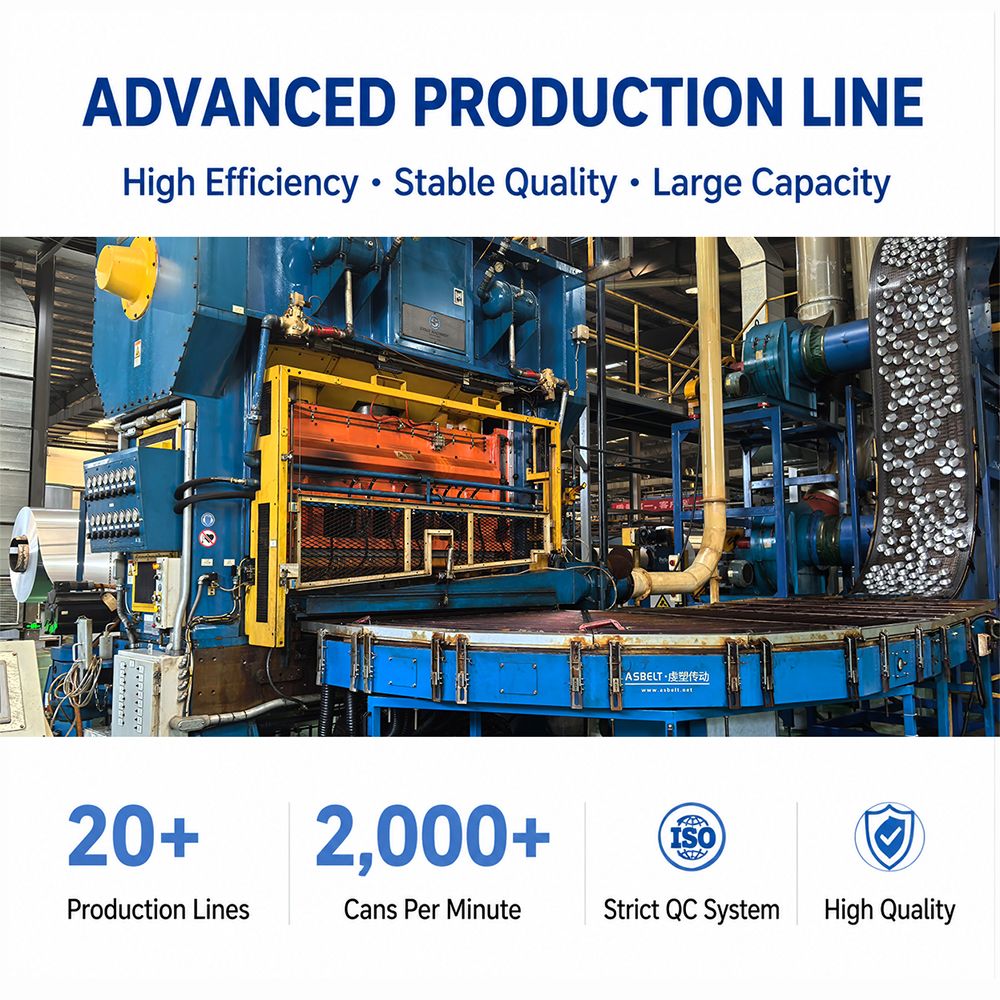
Can-Body Forming: Watch the Coil-to-Can Sequence
Can body forming is one of the few claims a buyer can partially verify by walking the floor. In a two-piece D&I (drawing and ironing) line, the sequence runs from aluminum coil through cupping, then body-making, trimming, washing, and internal coating application.
Ask to see the transition from the stamped cup to the ironed body. Then compare the formed body against the approved sample. The point is not to judge one machine in isolation. The point is to confirm the supplier can connect that process to a reference sample and a batch record.
If the answer is only a verbal assurance that “the line follows the same route,” it is not factory evidence yet. A buyer should ask to see the approved sample, the retained production sample, and the relationship between them. If the supplier cannot produce both, the consistency claim is still in brochure territory.
Inner Coating and Food-Contact Control
For beverage cans, the inner lining is a food-contact control point. The claim “BPA-free” is common; the useful evidence is the lining specification and the incoming batch Certificate of Analysis. In practice, many suppliers now use BPA-NI (BPA non-intent) coatings, which exclude BPA from the raw material formulation rather than simply testing below a threshold.
Three concrete items are worth requesting before production:
- The lining specification, showing the coating type and the BPA-free or BPA-NI declaration.
- The incoming batch COA for the coating material, traceable to the batch used on your cans.
- Coating adhesion test records for the relevant product or batch. Adhesion is typically assessed after pasteurization or retort exposure, and the record should name the test condition.
The cleaning stage you can observe on a factory tour is part of the process environment, but it does not replace the specification and the adhesion record. A buyer should ask which of these controls run on every batch, which are supported by records, and which exist only as a statement.
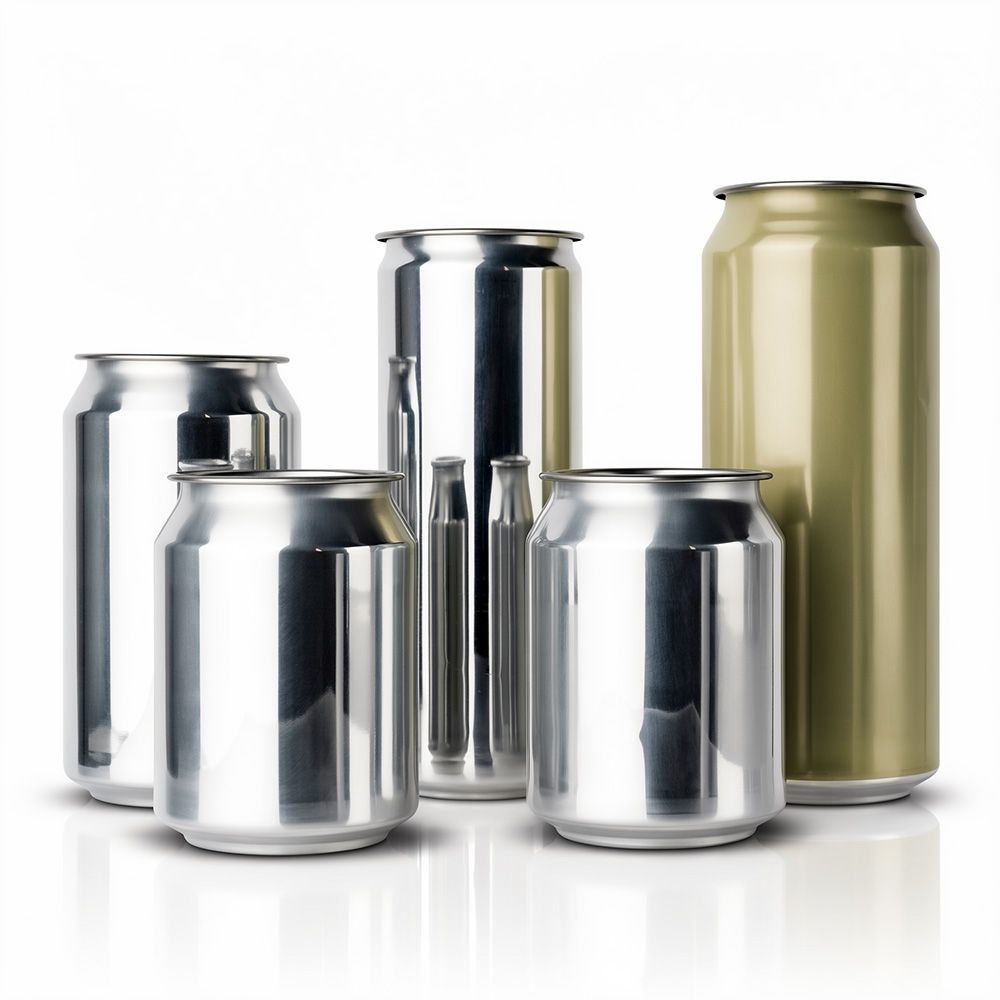
Seal integrity and pre-shipment testing: what “100% tested” should mean
“Every can is leak-tested” is another claim that sounds stronger than it often is. The verifiable version is a pre-shipment test report showing 100% airtightness testing under seal integrity control, with the test items and AQL agreed before production starts.
Two things are worth separating in the buyer’s mind:
- The 100% inline or end-of-line airtightness check confirms each unit was exposed to a leak-detection step.
- The pre-shipment inspection report documents the final check against the agreed test items and AQL. It should reference the batch and be available before goods leave.
If the supplier cannot show the report, the seal integrity claim remains verbal. The same logic applies to cap torque control on cans that use caps or resealable closures: ask for the torque control records tied to the batch, not a general statement that torque is “monitored.”
The evidence trail that makes sample approval meaningful
Sample approval is only useful if it is linked to mass production. The trail should connect four things: the approved sample, the retained batch sample, the pre-shipment test, and the report.
A buyer should ask to see how the retained sample is stored, how it is identified, and how it is compared with the approved sample. If the supplier can show the retained sample physically and the pre-shipment report for the same batch, consistency is moving from a claim to a record. If either is missing, the claim is still verbal.
This matters more as customization expands. Digital printing and lower-volume aluminum can programs are making format and decoration variables more common, which increases the number of things a buyer has to compare between the approved sample and the production batch. The retained sample is the anchor that keeps that comparison honest.
Where HK Rocsun fits: a sales-and-export center coordinating specialized factories
HK Rocsun (Rocsun Packaging, Hong Kong) operates as the international business and export center of a manufacturing group with three specialized factories in China for glass, plastic, and metal packaging. Product manufacturing is carried out by those specialized factories in Mainland China, and the Hong Kong team coordinates pricing, project communication, and export execution from production to global delivery.
For an aluminum can project, the relevant evidence points are specific rather than general: incoming materials are verified against a COA; the metal packaging facility applies interior lining systems that prevent direct contact between the beverage and aluminum; batch retention samples are managed; and pre-shipment testing is supported by a report. The group’s facilities are described as ISO 9001, FDA, and CE-certified, and certificates can be provided on request to meet market requirements.
HK Rocsun’s published aluminum can MOQ starts at 10,000 pcs for the beverage can line, with FOB, CIF, or EXW terms available. These are commercial terms, not capability evidence. They belong in a separate part of the decision matrix, not mixed with the factory evidence review.
Verbal vs. verifiable: a short question set for the supplier meeting
Before accepting a capability claim, turn it into a question with a verifiable answer. The following set works as a meeting agenda or an RFQ attachment.
On the lining: “Is the lining BPA-free or BPA-NI by specification? Can you provide the lining specification and the incoming batch COA for the coating material used on our batch?” Verifiable if the documents reference the batch.
On seal integrity: “Can you provide the pre-shipment test report showing 100% airtightness testing? What test items and AQL were agreed?” Verifiable if the report covers the batch and the agreed plan.
On coating adhesion: “Can you share adhesion test records for the relevant product or batch, including the test condition?” Verifiable if the record names the condition and the batch.
On sample consistency: “Can we inspect the retained batch sample against the approved sample?” Verifiable by physical inspection.
On commercial terms: “What are the MOQ, Incoterms, inspection terms, and payment terms?” Verifiable in the contract or proforma invoice.
Any claim that cannot be converted into one of these answers stays verbal until documented.
A note on market context: why evidence requests are getting more specific
Commercial research cited in the verified data projects the global aluminum beverage cans market at USD 46.2 billion in 2026, with aluminum holding 74.5% of the total metal cans market in 2025. Those figures describe scale, not supplier capability. Their procurement relevance is that a larger, more crowded market makes differentiation harder to judge from brochures alone.
As digital printing for aluminum cans matures and lower-MOQ format customization becomes more common, the buyer has more variables to compare between the approved sample and the production batch. That makes the retained sample and the pre-shipment report more important to document, not less.
FAQ
What is the MOQ for HK Rocsun aluminum beverage cans?
The published MOQ for the aluminum beverage can line starts at 10,000 pcs. Confirm the applicable MOQ for your specific format and decoration in the quotation.
Which Incoterms are available?
FOB, CIF, and EXW are listed as available terms.
Is the lining BPA-free?
The aluminum can lining is specified as food-safe and designed to prevent direct beverage-to-metal contact. Request the lining specification and the incoming batch COA to confirm the BPA-free or BPA-NI status for your market.
Is every can leak-tested?
Ask for the pre-shipment test report showing 100% airtightness testing under seal integrity control. The report should reference the batch and the agreed test items.
Can the inner coating peel or flake?
Coating adhesion testing is the relevant control. Request adhesion records for the batch and confirm the test condition. For handling, hand-wash with a soft sponge and avoid abrasive scouring pads.
Where are the cans manufactured?
Manufacturing is carried out by the group’s specialized metal packaging factory in Mainland China. HK Rocsun handles international sales, export coordination, and project communication from Hong Kong.