If you’re comparing aluminum can suppliers, the order you ask questions in matters more than the length of your questionnaire.
Most buyers already have a list: price, lead time, printing, MOQ, payment, packaging, after-sales. The problem is that these questions are often asked in the wrong sequence. A supplier can answer the easy commercial questions quickly while the higher-risk technical points — inner coating, food-contact documentation, leak testing, seal integrity — remain vague.
That is how a quotation that looks comparable on paper turns into a batch that is not comparable at all.
For beverage, coffee, beer and specialty can projects, a more useful approach is to ask the questions that can disqualify a supplier before the questions that only refine the price. In practice, that means confirming the can specification and food-contact controls first, then seal and leakage, and only then moving to MOQ, Incoterms, payment, sampling, capacity and traceability.
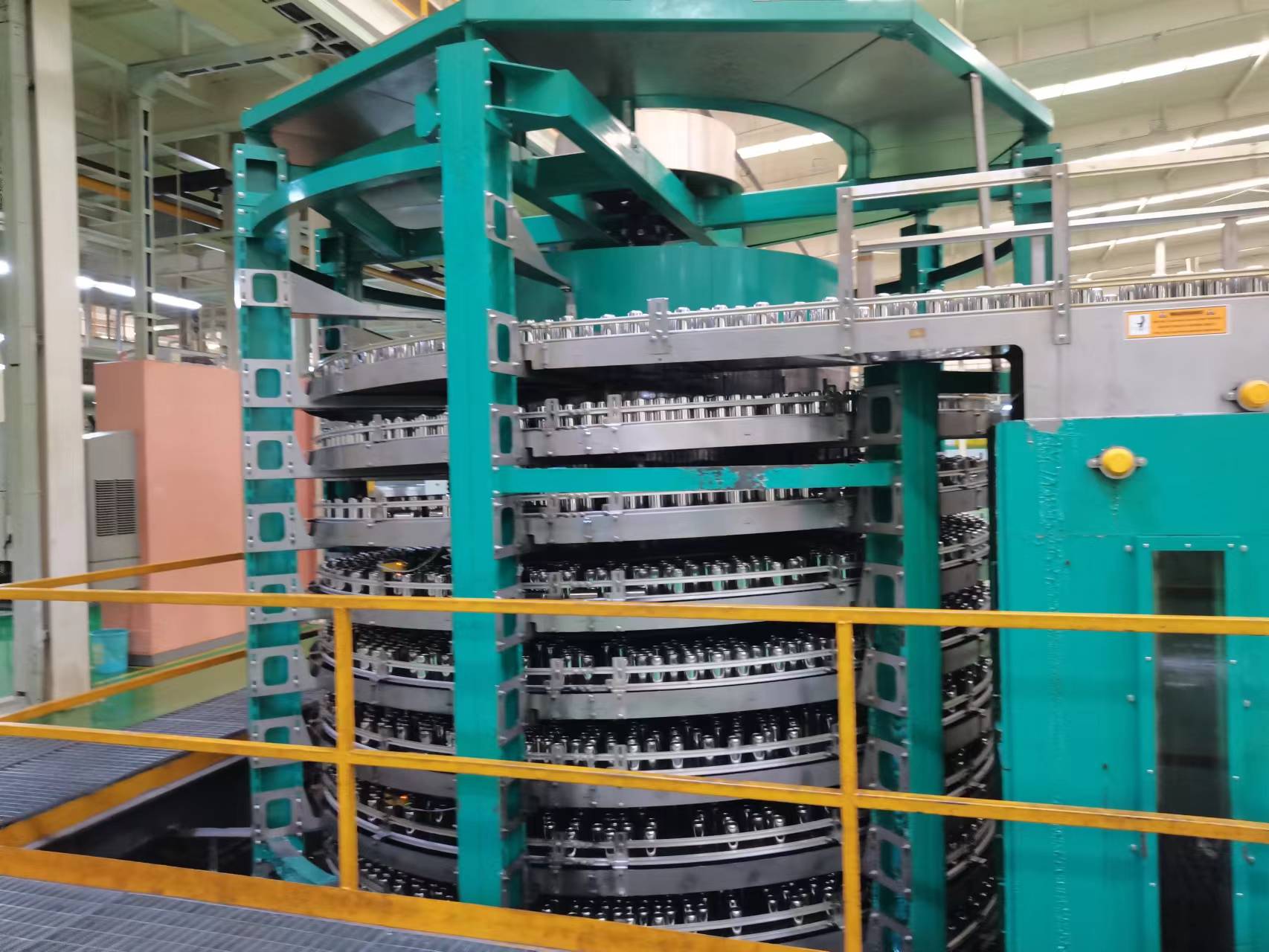
HK Rocsun, the Hong Kong–based global marketing and export arm of Anhui IDEA Group, supplies aluminum cans through the group’s metal packaging manufacturing operation alongside its glass and plastic packaging ranges. The evidence points below reflect the kind of documentation a buyer should request from any aluminum can supplier — including HK Rocsun — before placing a first order.
Why the question order matters more than the question list
Aluminum can procurement looks simple at quotation stage. You send a can format, a volume and an artwork file. You get a price.
The risk appears later. A can that meets a price target but has an unverified inner lining, an unclear leak-test protocol or an unagreed inspection standard can create food-contact, containment or compliance problems that cost far more than the unit-price difference.
There is also a comparison problem. If one supplier quotes a 3.5 soda can with a standard lining and another quotes a similar can with a different coating specification, the two prices are not answering the same question. If one supplier leak-tests every unit and another relies on sampling, the quotations are not on the same quality basis.
So the first job is not to collect more answers. It is to make sure every supplier is answering the same questions, in the same order, with evidence you can compare.
First round: ask the questions that can remove a supplier from your shortlist
Confirm the can specification in writing — not from a catalogue page
Before anyone talks about price, lock the basics: can type, fill volume, diameter, end configuration, inner coating requirement, decoration method, packaging method and expected order volume.
This sounds obvious, but it is where many comparisons go wrong. “A 3.5 can” is not a specification. A coffee can, a beer can and a cans-with-lids project can all sit under the same broad product category while requiring different ends, coatings, closures and handling.
Ask for a written specification sheet that matches the format you intend to buy. If the supplier can only send a catalogue page or a rendering without dimensions and coating details, the quotation is still provisional.
For standard mass-production pricing, HK Rocsun’s group aluminum can operation publishes a reference MOQ of 100,000 pcs. Treat that as a starting point for the specific format, not as a universal number across every can type.
Ask about the inner coating before you ask about decoration
The inner coating is the barrier between the beverage and the aluminum surface. Coating delamination, peeling or flaking is not only a visual defect; it is a food-contact and quality complaint risk. BPA migration is a related concern in markets with strict food-contact expectations.
These risks are difficult to see in a finished-can photo. They have to be tested and documented.
Useful questions to put in writing:
- Is the lining BPA-free by specification?
- How are incoming coating materials verified against their Certificate of Analysis?
- How is coating adhesion tested?
- What batch retention samples are kept, and for how long?
- If a coating defect is found, what is the complaint and traceability process?
HK Rocsun’s group manufacturing documentation states a BPA-free lining by specification, COA checks for incoming materials, coating adhesion testing and a batch retention sample system. Buyers should ask every supplier for equivalent evidence — and should ask for the report that matches the can model and lining being quoted.
Ask whether leak testing is 100% or sampling-based
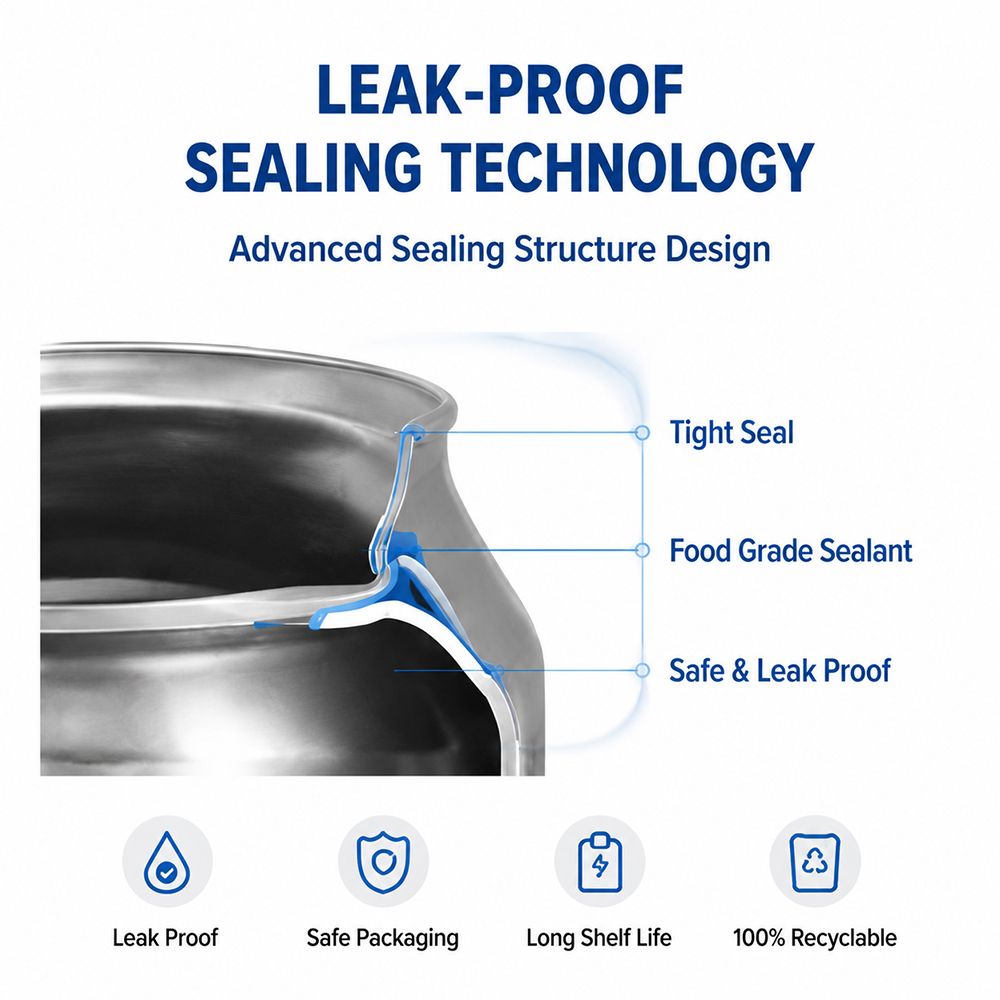
A leaking can is a direct product-loss and safety event. Seal failure can occur at the can end, the side seam or the closure, and it may not show up in a pre-shipment sample.
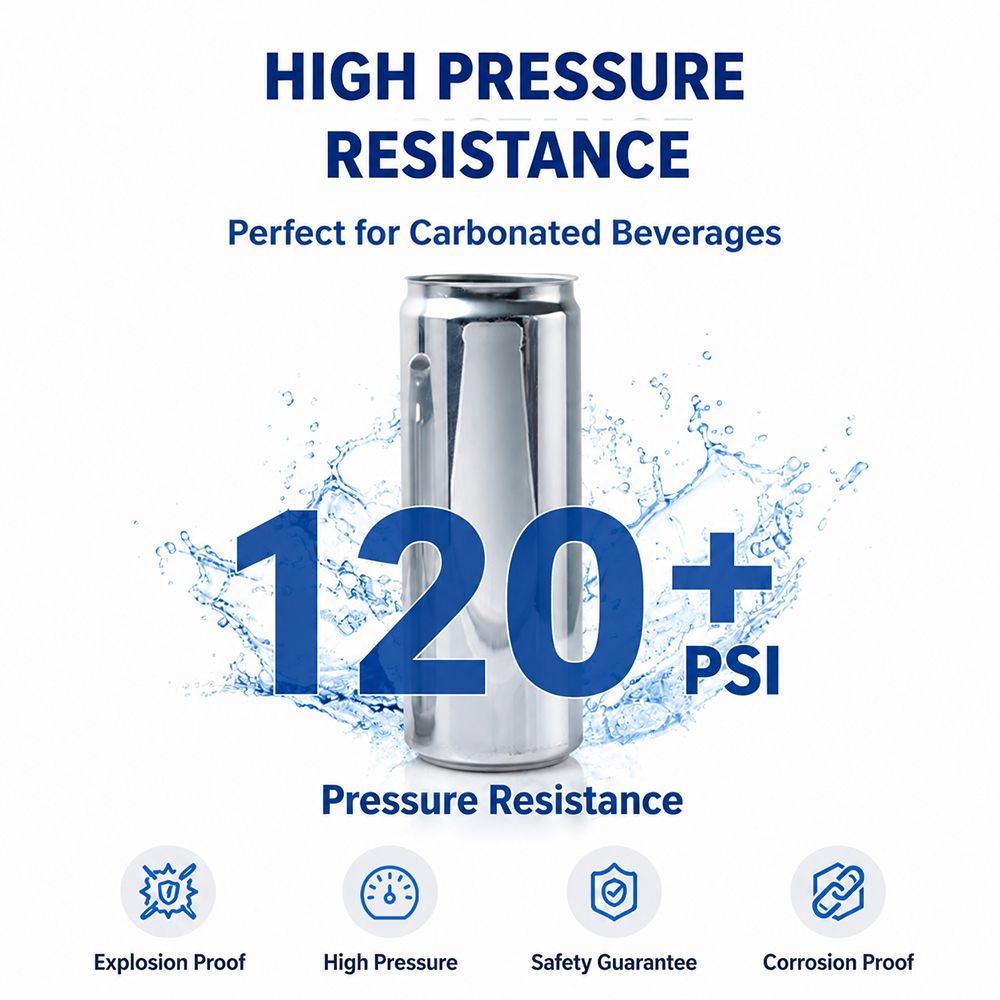
For carbonated drinks and beer, pressure resistance makes seal integrity even more important. For coffee cans with lids, the closure and aroma retention add another layer.
The key question is not simply “are your cans leak-proof?” The key question is: how do you test, and is every unit tested or only a sample?
Ask for the leak-test protocol, the acceptance criteria, and whether the test is 100% or sampling-based. HK Rocsun’s group aluminum can operation states that all units undergo 100% airtightness testing before shipment, with seal integrity, cap torque and coating adhesion controls. That is the level of specificity to compare against other suppliers. A general “leak-proof” claim is not enough.
 |  |  |
Second round: compare commercial terms on the same technical basis
Once the specification, coating and leak-test answers are in writing, the commercial conversation becomes much cleaner.
Put MOQ, Incoterm and payment terms on one page
Commercial terms decide cash flow, inventory risk and landed cost. They should be compared after the technical basis is sound, because a low MOQ or a generous payment term cannot fix an unsafe or leaking can.
Ask each supplier to quote on the same basis:
- MOQ for the requested specification
- FOB, CIF or EXW
- Payment milestones
- Whether the quotation includes the agreed pre-shipment test and test report
HK Rocsun’s group aluminum can terms include FOB, CIF and EXW options, with a standard structure of 30% T/T deposit before production and 70% T/T against a copy of the bill of lading. Confirm these terms for your specific can format and destination before comparing landed cost.
If one supplier quotes FOB and another quotes CIF, convert both to a comparable landed-cost basis. Do not compare the headline unit price.
Agree the sample and the pre-shipment test before mass production
A sample is useful only if it is made with the same materials and process as mass production. A pre-shipment test is useful only if the test items and AQL were agreed before production started.
Ask:
- How is the sample produced?
- Does it use the same lining, coating and printing process as the order?
- Which test items and AQL apply before shipment?
- Who provides the test report?
- What happens if the batch fails?
HK Rocsun’s group operation documents pre-shipment testing before goods leave, with a test report provided, and asks buyers to agree test items and AQL before production. That sequence protects both sides. Agreeing acceptance criteria after the goods are packed is much harder to enforce.
Check capacity and delivery continuity against your actual volume
A supplier that can produce a good sample but cannot repeat the quality at volume is a stock-out risk.
Ask for factory information, engineering support, annual output, export share and a production schedule that matches your can format and order volume. Do not rely on a general capacity claim that is not tied to your project.
HK Rocsun’s group manufacturing base is documented as a 45,000 m2 production site with 250 employees, 15 engineers, an annual output of 180,000,000 CNY and an export share of about 50%. These figures help a buyer judge scale, but they should still be checked against the specific can format and delivery window.
Confirm batch traceability and retention samples
Traceability matters when a complaint arises. It is less urgent than coating and seal control, but it closes the loop.
Ask how a batch is identified from incoming material to shipment, how long retention samples are kept, and what records are available if a customer complaint or recall question appears.
HK Rocsun’s group documentation includes a batch retention sample management system and COA verification for incoming materials. For a buyer, the practical check is whether the supplier can trace the specific batch that shipped — not just whether a system exists in general.
A simple way to compare China-based and local aluminum can suppliers
The same question set should be used for a local beverage can supplier and a China-based aluminum can manufacturer. The difference is in the logistics and commercial structure, not in the food-contact or seal-integrity standard.
A local supplier may reduce transport distance and lead time. A China-based manufacturer may offer different cost, customization and decoration options. Neither advantage removes the need to verify coating, leakage, food-contact documentation, MOQ and inspection terms.
Use this rule: compare suppliers on the same specification, same test protocol, same MOQ basis and same Incoterm. If one supplier cannot provide a written specification or a leak-test protocol, the quotation is not yet comparable.
Quick comparison: ask first vs ask later
Ask first | Why it comes first
Written can specification and coating requirement | Without it, quotations describe different products
BPA-free lining statement and COA verification | Food-contact risk is hard to detect visually
Coating adhesion test records | Peeling or flaking is a direct quality complaint
Leak-test protocol: 100% or sampling | Seal failure is a containment risk
Pre-shipment test items and AQL | Converts claims into evidence
Ask later | Why it can wait
MOQ and payment terms | Only meaningful once the product is defined
Decoration options | Important, but secondary to coating and seal
Capacity figures | Useful after the technical basis is acceptable
Batch traceability details | Closes the loop after specification and testing
Delivery schedule | Should match the agreed specification and volume
FAQ
What food-contact evidence should I request from an aluminum can supplier?
Ask for a BPA-free lining statement, COA verification for incoming coating materials, coating adhesion test records and a batch retention sample procedure. For aluminum cans, the documented risk areas include BPA migration, seal failure and coating delamination. HK Rocsun’s group manufacturing documentation covers these points, but buyers should still request the evidence that matches the can model and lining being purchased.
Can a China-based aluminum can manufacturer support custom printed cans and specialty formats?
Custom capability should be confirmed in writing for each format. HK Rocsun’s group operation offers custom surface decoration including spraying, silk-screen printing, hot stamping, frosting and electroplating. Before treating customization as confirmed, ask for a specification sheet, a sample made with the intended materials and process, and a written statement of the supported can format.
How do I compare a Chinese aluminum can quote with a local supplier quote?
Compare both on the same specification, MOQ, Incoterm, payment terms and inspection scope. Convert FOB and CIF offers to a landed-cost basis before comparing price. Require the same pre-shipment test and the same leak-test protocol. A local supplier may save transport time; a China-based manufacturer may offer different cost and customization options. The technical evidence standard should not change.
What sample and pre-shipment steps reduce risk?
Agree the sample approval process, test items and AQL before mass production. The sample should use the same materials and process as the order. The pre-shipment test should be completed before goods leave the factory, with a report provided. For leak risk, confirm whether airtightness testing is 100% or sampling-based.
What should I ask about lead time and delivery?
Ask for a written production schedule tied to your can format and order volume, plus the pre-shipment inspection date and the payment milestones connected to those dates. Do not rely on a general catalogue lead time. HK Rocsun’s group operation documents pre-shipment testing before dispatch and standard payment terms of 30% T/T deposit before production and 70% T/T against a copy of the bill of lading; confirm the schedule for your specific project.
The practical takeaway
The most useful supplier question is not the easiest one to answer. It is the one that exposes a risk you cannot accept.
For aluminum can sourcing, ask the specification and food-contact questions first. Then ask about leak testing and seal integrity. Only after those answers are in writing should you compare MOQ, Incoterms, payment, samples, capacity and traceability.
That order keeps the comparison honest. It stops a low unit price from hiding an unverified lining, a sampling-based leak test or an unclear inspection standard.
To discuss an aluminum can project, request a specification-matched quotation or sample from HK Rocsun through www.rocsuneco.com. Share your can format, fill volume, lining requirement, decoration method, target market and estimated volume, and ask for the pre-shipment test items and AQL to be confirmed before production.