If you’re vetting suppliers for your upcoming beverage can order, there is one critical regulatory milestone you need to put front and center in your project brief.
On 20 July 2026, the EU enforcement deadline for BPA ban under Regulation (EU) 2024/3190 came into force.
- Metal can internal coatings fall directly within this regulation’s scope for single use food contact articles
- Products containing restricted substances can no longer be first placed on the EU market
- Non compliant shipments risk border rejection, not just warning notices
From HK Rocsun’s real world industry observation, most aluminum can sourcing issues do not stem from factory production failures. Problems arise when:
- Full specifications are not split into clear, separate components
- Compliance requirements are not confirmed before you send out supplier inquiries
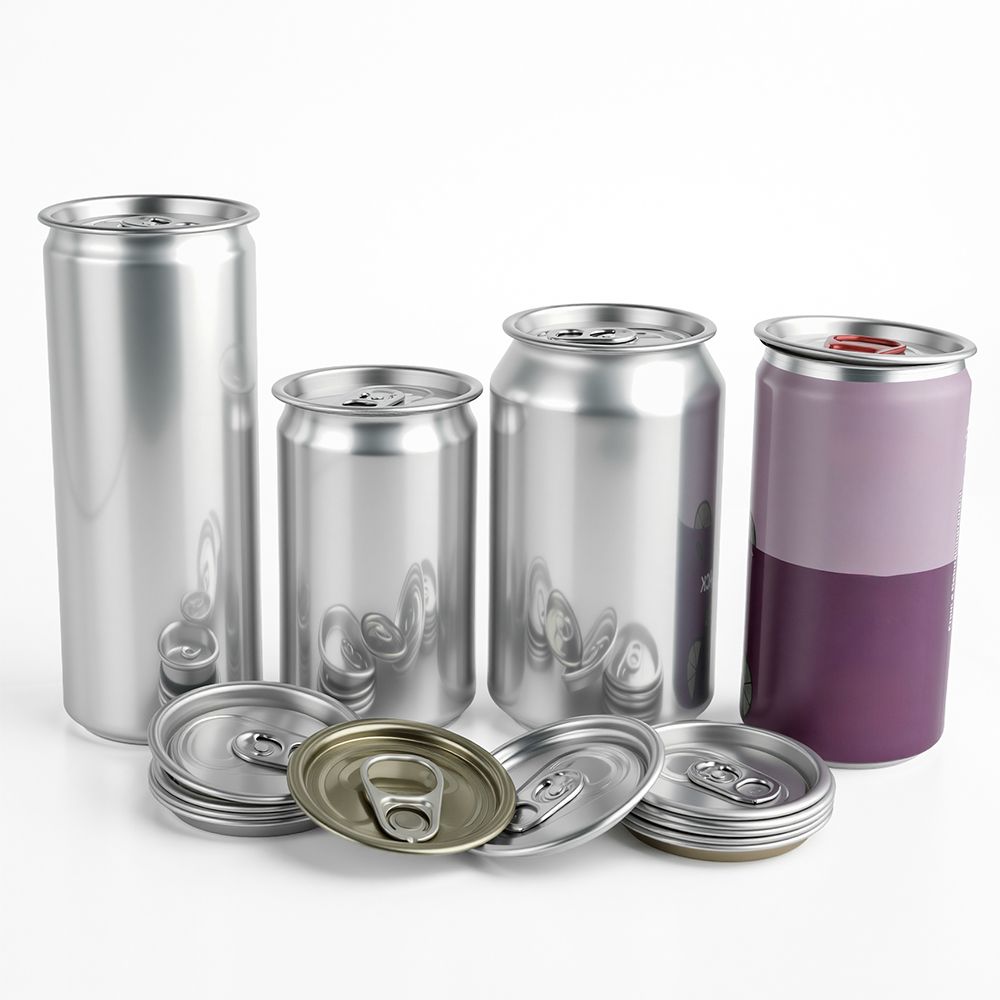
Four non negotiable specification layers for aluminum cans
Sending a request simply stating “355 ml aluminum can” often creates costly information gaps during procurement. Each dimension serves a distinct purpose and cannot be assumed from volume alone.
- Can body format and capacity
- Can end configuration
- Internal coating system
- Surface decoration method
Coating compliance: What BPA test reports can and cannot prove
Many sourcing documents treat “BPA free” as a final compliance checkbox. For EU market under Regulation (EU) 2024/3190, this is only your starting baseline.
Key regulation requirements
- Restrictions apply not only to BPA, but also other classified bisphenols & bisphenol derivatives (carcinogenic / mutagenic / reproductive toxic / category 1 endocrine disrupting substances)
- Uniform detection limit set at 1 μg/kg
- Every production batch needs traceable Declaration of Compliance (DoC) covering the full supply chain: coating supplier → can manufacturer → exporter
- A standalone generic coating lab report cannot replace a formal batch specific DoC
Common pitfall with older test certificates
Test reports referencing older standards such as (EU) 2018/213 or (EU)10/2011 only confirm historic BPA migration compliance under old rules.
These reports do not automatically validate conformity against the latest EU 2024/3190 requirements, which updates regulated substance lists and testing thresholds.
Practical tips for your supplier inquiry (before ordering samples)
1.Request a market specific sample Declaration of Compliance (DoC), instead of only asking “do you have a BPA test report?”
2.Confirm which exact regulation version the DoC references
3.Ask for screening status for bisphenol substances beyond just BPA
4.Verify how batch level COA and retention samples maintain ongoing production conformity
Commercial terms: Prioritize binding inspection criteria
MOQ, lead time and payment terms all carry importance. However for metal can orders, the most overlooked clause is inspection requirements.
Mandatory functional inspection items to add to your contract annex:
- Seal integrity: 100 % airtightness test before shipment (industry baseline requirement)
- Coating adhesion: Validates lab report performance holds up through filling, seaming, transit and consumer opening
- Seaming compatibility: If you source can ends separately, align seamer technical parameters with your supplier upfront
HK Rocsun quality controls include 100 % pre shipment airtightness testing and coating adhesion checks. Still, acceptance criteria should be mutually documented rather than depending on general product descriptions.
Standard commercial baseline terms
- MOQ: Standard mass production pricing starts at 100000 pieces. Trial / limited edition batches below this volume follow alternate pricing.
- Lead time tiers: 1-10000 pcs: 7 days,10001-500000 pcs:15 days, 500000 pcs: delivery timeline subject to negotiation
- Custom printing & decoration may shift your applicable lead time bracket; always lock in firm written ship dates instead of referencing tier tables only.
HK Rocsun (Rocsun Eco) position within packaging supply chain
HK Rocsun serves as the Hong Kong based global sales & export hub for IDEA Group, supported by multi material manufacturing facilities based in Anhui, China.
- Aluminum cans are part of a wider portfolio covering glass, plastic and metal packaging under unified quality and export systems
- Buyer benefit: If your beverage brand uses mixed packaging formats (glass bottles + plastic containers + aluminum cans), you can manage specification reviews, inspections and shipments via one single supplier partnership, instead of coordinating multiple vendors
- Clear trade offs to understand:
Strength: Multi material portfolio consolidation, streamlined export and quality workflows
Limitation: We do not specialize exclusively in can specific niche tooling engineering
Adjust inspection priorities for different beverage categories
Your functional testing focus should match your product type:
- Carbonated drinks & beer
- RTD coffee, juice & functional still beverages
- Contract beverage & fruit wine programs
Final key takeaway
For every beverage category: resolve target market compliance document requirements before sample approval.
Can specifications should be reviewed layer by layer; compliance documentation works the same way. Suppliers ready to share full specs and compliance paperwork during initial inquiry phase drastically lower your risk of issues at the seamer, port of entry or retai audit stage.
HK Rocsun aluminum can offering: slim / sleek / standard bodies; 202# &206# can ends; BPA free internal coatings; decoration options: UV print, shrink sleeve, self adhesive label.
If you are building mixed material beverage packaging portfolio, visit our aluminum can product page or submit your inquiry including target market and can format requirements.