Glass jars have long been used for food packaging, from jams and sauces to pickles, honey, and preserved foods. However, some common misconceptions about glass packaging may cause food brands and packaging buyers to overlook its advantages.
In this article, we address five common myths about glass jar packaging and explain what businesses should consider when choosing glass jars for food products.
 |  |
|---|
Myth 1: Glass Jars Are Too Fragile
Glass is naturally more breakable than some plastic packaging, but modern glass manufacturing can provide improved strength, consistent wall thickness, and better resistance to impact during handling and transportation.
The key is choosing glass jars designed for commercial packaging and using appropriate protective packaging during shipping.
For food brands, factors such as jar structure, wall thickness, base design, transportation conditions, and filling processes should be considered when selecting a supplier.
Myth 2: Glass Jars Are Always Too Expensive
Glass jars may have a higher initial packaging cost than some plastic alternatives, but purchase price is only one part of the overall packaging value.
Glass provides a premium appearance, excellent product visibility, strong chemical stability, and broad application potential. These characteristics make it suitable for food products positioned in both mainstream and premium markets.
For larger orders, buyers can also evaluate different jar weights, capacities, closure options, and packaging configurations to balance product requirements and overall costs.
Myth 3: Glass Jars Are Not a Sustainable Packaging Choice
Another common misconception is that glass is environmentally unfriendly because it is heavier than plastic.
Glass is highly recyclable and can be recycled repeatedly without changing its basic material properties. It can also be reused in suitable applications.
For brands developing more sustainable food packaging strategies, glass can therefore be considered alongside other packaging materials based on the product, supply chain, and end-market requirements.
 |  |
|---|
Myth 4: Glass Jars Are Too Heavy for Transportation
Glass jars are generally heavier than lightweight plastic containers, but weight should be evaluated together with jar design, packaging efficiency, and transportation requirements.
Modern manufacturing can provide lighter glass designs while maintaining the required structural performance. Optimizing carton configuration and protective packaging can also help improve shipping efficiency.
For export-oriented food brands, choosing the right glass jar manufacturer and discussing transportation requirements during the packaging development stage can help reduce unnecessary logistics challenges.
Myth 5: Glass Jars Are Only Suitable for Certain Foods
Glass jars are highly versatile and can be used across a wide range of food and beverage applications.
Common applications include:
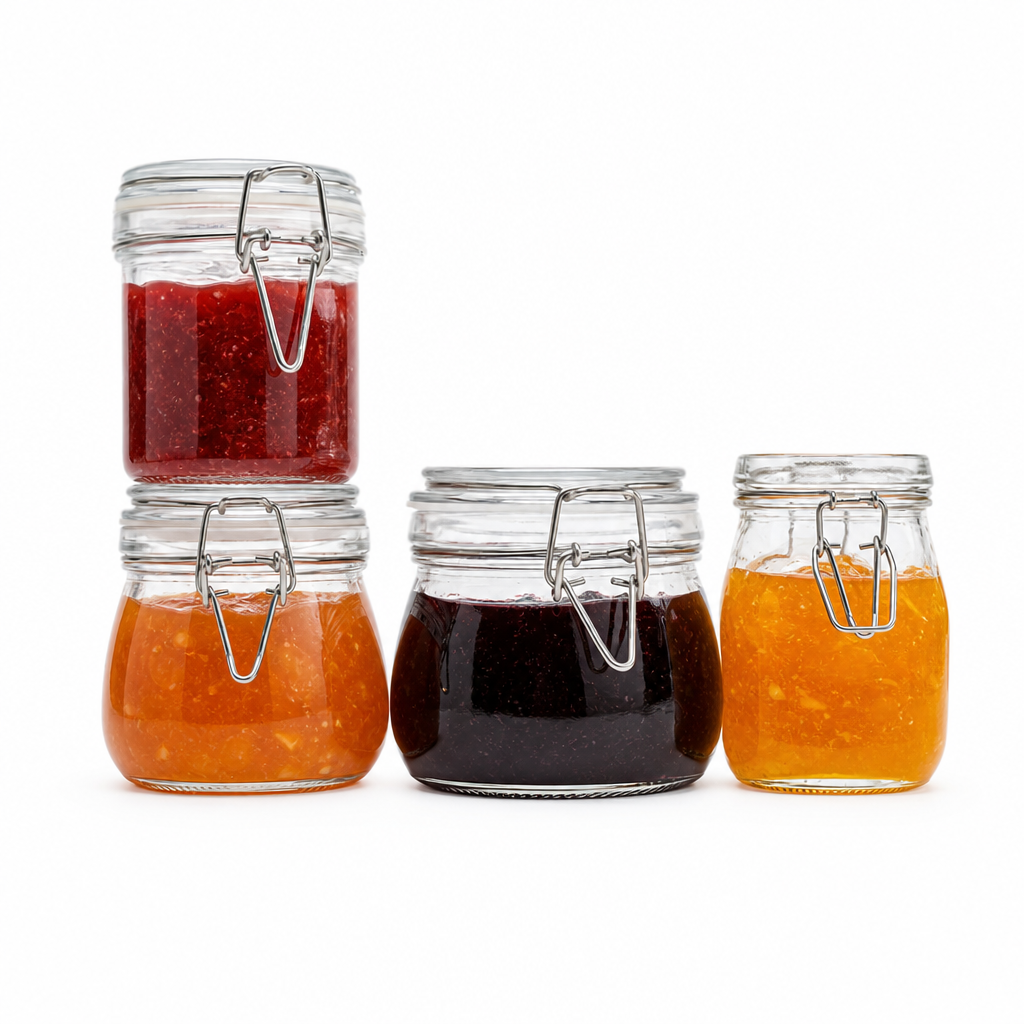
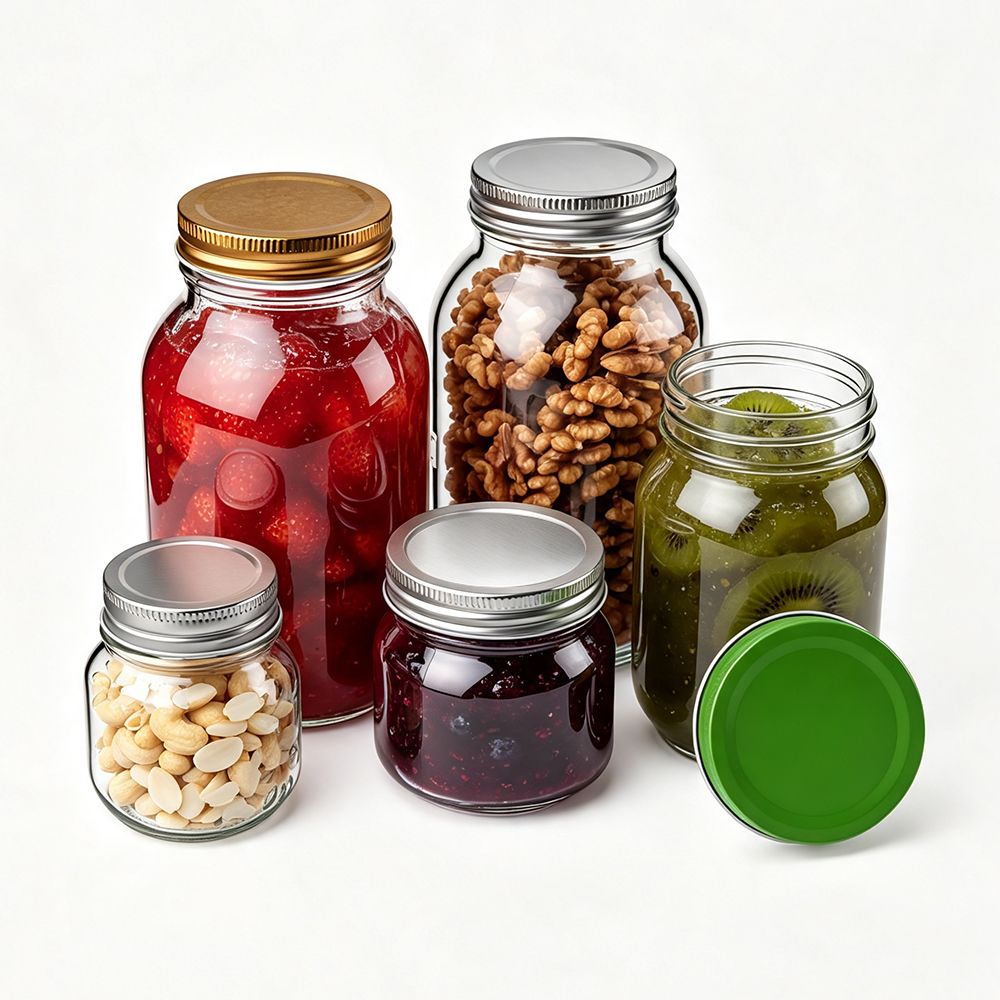
- Jam and jelly
- Honey
- Sauces and condiments
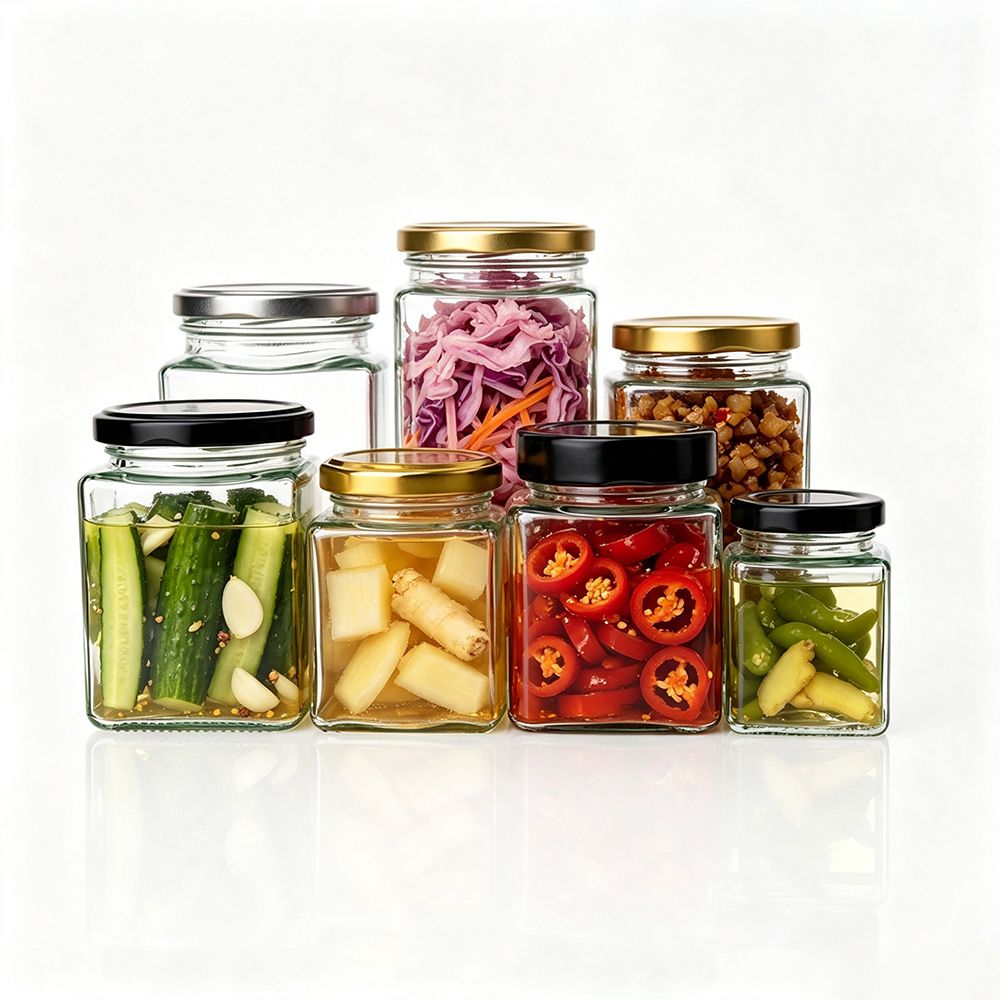
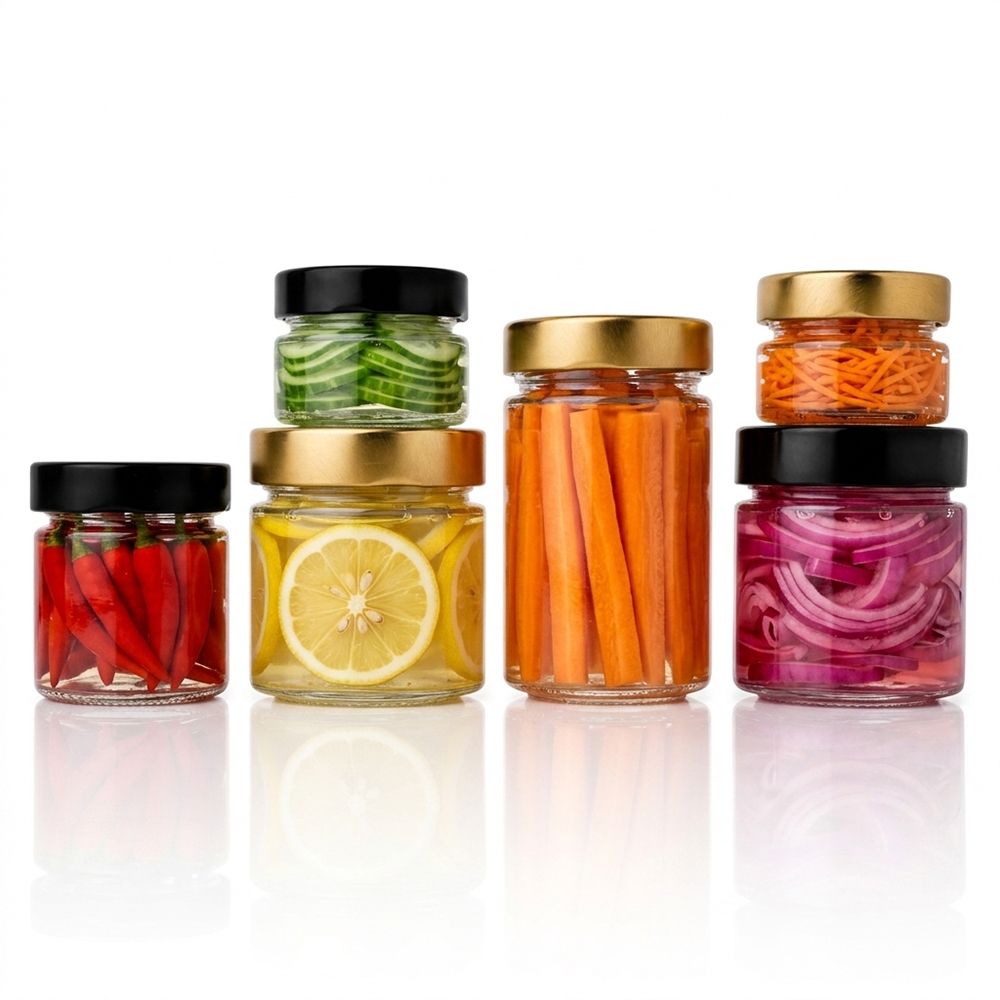
- Pickles and preserved foods
- Spreads
- Spices and dry foods
- Ready-to-eat foods
- Beverages and other food products
Different shapes, capacities, glass colors, closures, and decoration options allow brands to develop packaging according to their product and market requirements.
How to Choose the Right Glass Jar for Food Packaging
Instead of focusing only on the common advantages or disadvantages of glass, food brands should evaluate the complete packaging requirement.
Consider:
Product Compatibility
Make sure the glass jar and closure are suitable for the product and filling process.
Size and Capacity
Select a capacity that matches the product volume, consumer usage, and target market.
Jar Design
Choose a shape and structure that provides sufficient stability, shelf appeal, and filling efficiency.
Closure System
The lid and sealing system should provide the protection required for the specific food product.
Transportation Requirements
For international shipping, consider jar weight, carton configuration, protective packaging, and transportation conditions.
Customization
Custom shapes, colors, printing, labels, and other decoration options can help create distinctive food packaging.
Glass Jar Packaging from Rocsun Eco
Rocsun Eco focuses on food packaging solutions across glass, plastic, and metal materials. Its glass packaging range includes bottles and jars for sauces, condiments, preserved foods, beverages, and other food applications.
The glass packaging manufacturing facility supports standard and customized designs, including different shapes, capacities, colors, and surface decoration. Production focuses on consistent dimensions, structural strength, durability, and export-ready supply.
For food brands looking for wholesale glass jars, custom glass food jars, or complete food packaging solutions, Rocsun can support packaging selection, customization, production, and international export coordination.
Looking for reliable glass jars for your food products? Contact Rocsun Eco for wholesale and custom food packaging solutions.